For real estate agents
Pool Inspection Tips for Real Estate Agents
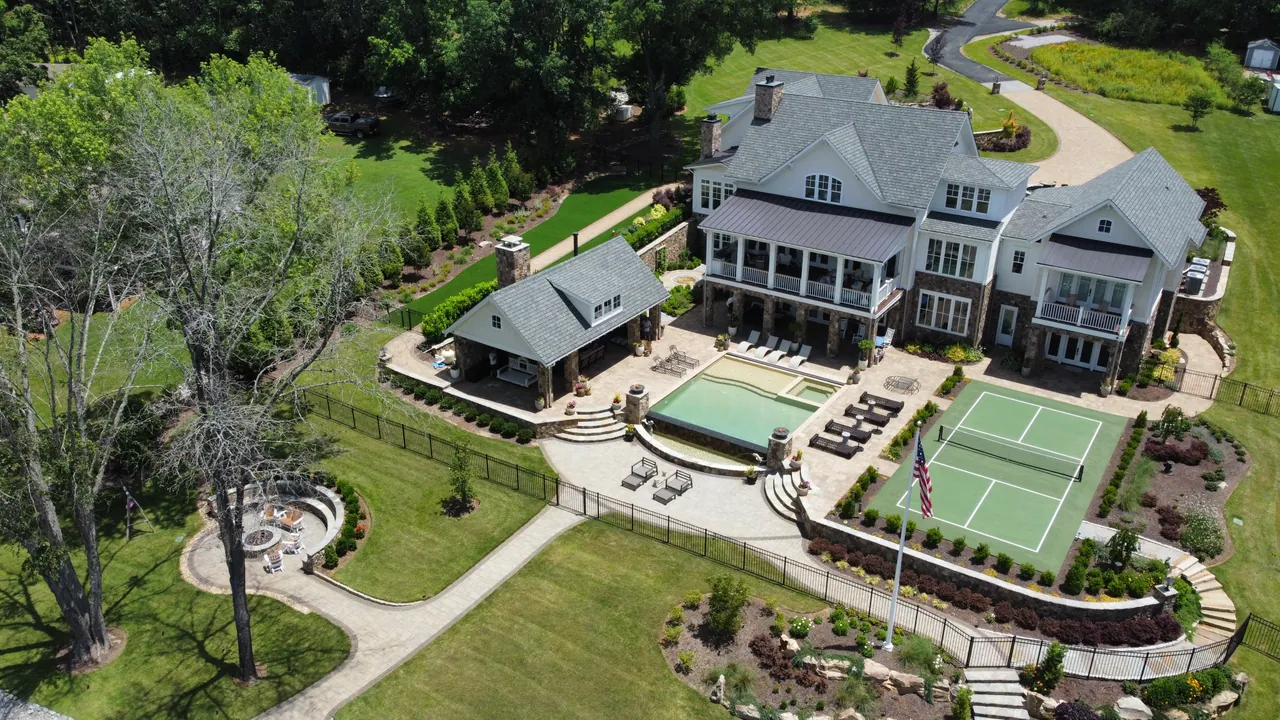
A pool adds another system to a real estate transaction, with its own equipment, access requirements, and potential inspection limitations. For an agent coordinating several appointments, a little preparation can keep the pool inspection from becoming a last-minute complication.
The goal is straightforward: arrange a clearly scoped inspection early enough for your client to understand the findings and decide whether further evaluation is needed.
Ask about the pool early
As soon as an inspection is being considered, identify the pool type and any additional water vessels. A spa, vanishing-edge catch basin, or other feature can change the scope and fee. Ask whether the pool is operating and whether the seller has disclosed any concerns.
Do not assume the general home inspector is providing a dedicated pool inspection. Confirm the scope directly and help your client identify any gap they want addressed.
Send the details in one request
- Property address and the client's preferred contact information.
- Due-diligence or closing date and available appointment windows.
- Pool type, additional vessels, and any known equipment issues.
- The person authorized to provide access.
- Gate, cover, or equipment-access arrangements.
- Available records or relevant disclosures the client is authorized to share.
A complete request helps the inspector assess availability without several rounds of follow-up. Do not send access codes or sensitive transaction documents through a general website form; arrange secure access details directly when the appointment is confirmed.
Check seasonal and operating conditions
Covered, winterized, empty, or non-operating pools can limit an inspection. Flag those conditions before scheduling. Ask the inspector what can reasonably be evaluated and which questions may remain open.
If equipment needs attention before it can be operated, coordinate with the owner and an appropriate professional. Neither the agent nor the buyer should attempt unfamiliar equipment or electrical work to make an appointment possible.
Leave time for follow-up
An inspection may lead to a recommendation for specialist testing, repair estimates, or access to an area that was not available during the first visit. Booking at the end of a deadline can leave little room for those steps.
Explain the timeline to the inspector, but do not promise availability or a particular outcome to your client before those details are confirmed. Purchase-contract questions and deadlines should remain with the appropriate real estate or legal professional.
Separate observations from guarantees
A pool inspection documents observations within its scope and limitations. It does not guarantee future equipment life or rule out every concealed issue. Help your client read the limitations alongside the findings rather than interpreting a completed inspection as a warranty.
Similarly, a concern about adding water is not automatically a confirmed plumbing leak. Elite's water-loss analysis is a separate assessment; additional testing may be needed to determine a source.
A direct contact for the pool questions
Kurt Candler has specialized in pool construction since 1997 and has installed more than 600 residential and commercial pools. Elite Pool Inspections works with buyers, sellers, owners, and agents to establish the right inspection scope.
Review the inspection process or send a property inquiry. For timing questions, call 919-880-1851 and include the property location and transaction deadline.
