Buying a home
Why a Pool Inspection Matters Before Closing
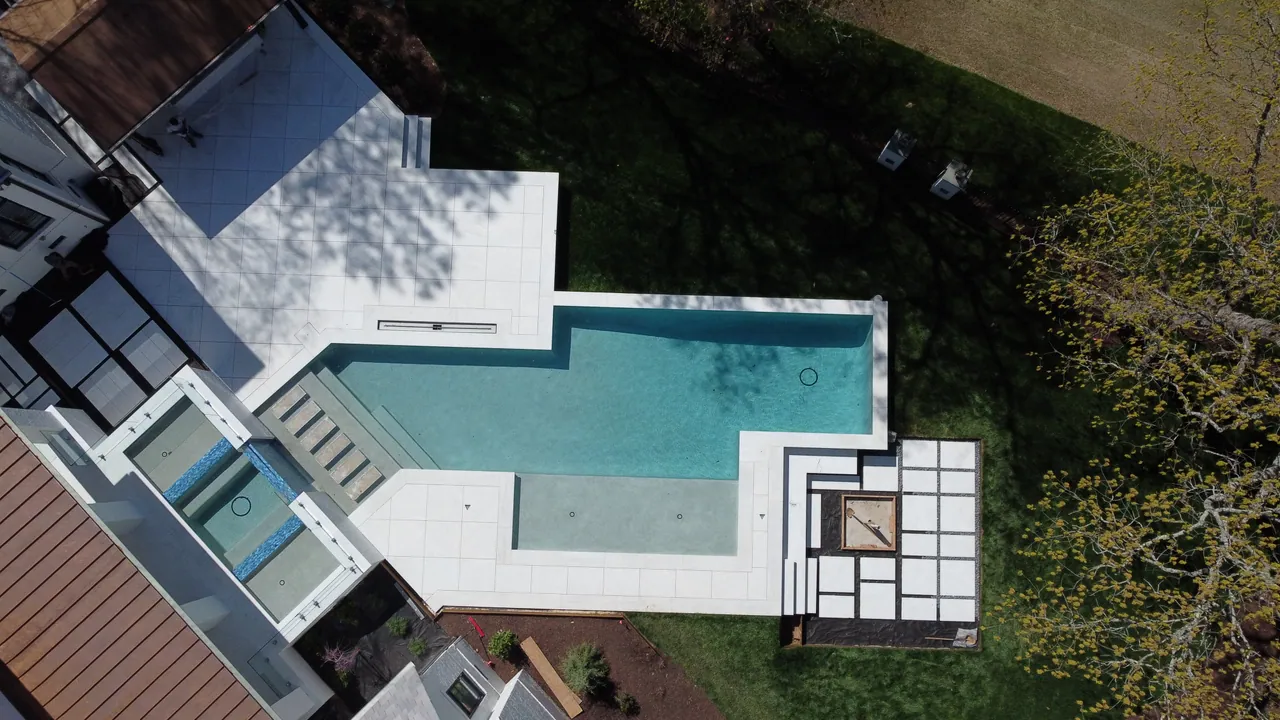
A home with a pool can be a great fit for your family, but the water you see during a showing tells only part of the story. The equipment, visible surfaces, access barriers, and operating condition all deserve attention before you commit to the purchase.
A dedicated pool inspection helps turn an unfamiliar system into a more informed decision. For buyers in North Carolina, the best time to arrange one is early enough to review the findings within your purchase timeline.
Start by checking the inspection scope
Ask whether your general home inspection includes the pool and exactly what that means. A brief visual observation is not necessarily the same scope as a dedicated pool inspection. Make sure you understand who is inspecting the pool, which components are included, and what conditions may prevent an evaluation.
Elite Pool Inspections offers residential pool inspections with a scope confirmed before scheduling. Share whether the property has a separate spa, vanishing-edge vessel, or other unusual features so the visit can be planned correctly.
Look beyond clear water
Attractive water does not tell you how the pump is operating, whether accessible equipment shows deterioration, or whether visible components need further review. Conversely, an issue observed during an inspection does not automatically establish its cause or the cost to correct it.
The value is in understanding what was observed, what could be evaluated, and what needs follow-up. An inspection is not a guarantee against future breakdowns or a substitute for invasive testing of concealed systems.
Arrange access and share known conditions
- Provide the property address and your due-diligence or closing deadline.
- Identify who can authorize and provide access to the pool and equipment.
- Share available maintenance records and known repairs or concerns.
- Tell the inspector if the pool is covered, winterized, empty, or not operating.
- Ask which limitations could affect the inspection before the appointment.
A pool that cannot be operated may limit what can be evaluated. Finding that out early is better than discovering it on the inspection day. Do not energize unfamiliar equipment or remove safety protections yourself just to prepare.
Ask separate questions about water loss
If the seller reports frequently adding water, pass that information along. Water loss can have more than one explanation. Water-loss analysis is a separately priced service and should not be assumed to be included in a standard inspection.
Measuring water loss under controlled conditions is also different from locating an exact leak. Kurt can discuss whether a separate assessment or additional specialist testing is appropriate.
Use the findings to decide your next step
Review observations and limitations with the inspector. If a repair evaluation or further testing is recommended, discuss timing with your real estate agent and the appropriate contractor. The inspector cannot decide your contract obligations or negotiation strategy for you.
Keep the report or inspection findings with your property records. They can provide a useful starting point for learning the system and planning attention after you move in.
Book before the deadline becomes urgent
Kurt Candler brings pool-construction experience dating to 1997 to Elite Pool Inspections. Request an inspection with the address, pool details, and your timeline, or call 919-880-1851. Availability, scope, and fees are confirmed before scheduling.
